Why do we do things as we do?

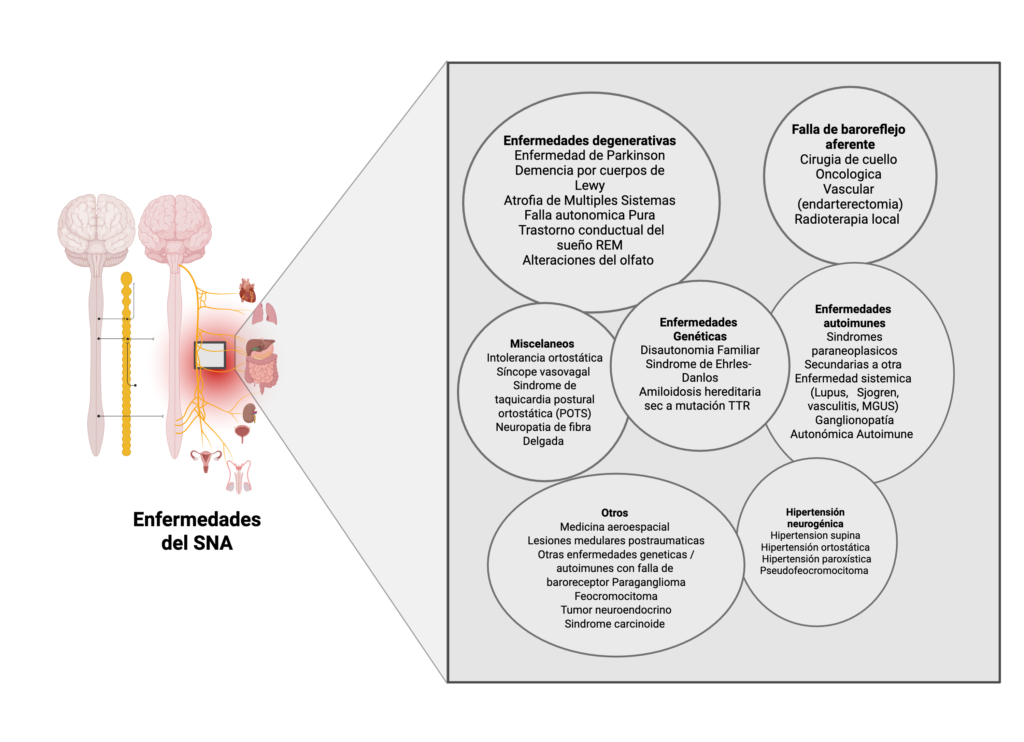
What does the evaluation include?
We provide a detailed analysis of medical history and track the progression of current and future symptoms.
We identify patterns of autonomic nervous system dysfunction both at rest and under stress.
Our diagnostic approach is highly specific and individualized.
Which system do we evaluate?
Assessment of cardiovascular sympathetic reflexes during rest and stress.
Evaluation of systemic symptoms of autonomic dysfunction, including sweating, digestive function, temperature regulation, and cerebral blood flow response during active and passive tilting.
To whom is an autonomic evaluation indicated?
We evaluate individuals experiencing weakness, dizziness, palpitations, fatigue, or intolerance to physical exertion. These symptoms are classified as orthostatic intolerance.
We also assess patients with persistent symptoms lacking a clear diagnosis, as well as those diagnosed with fibromyalgia or chronic fatigue syndrome.
We assess patients with sensory or motor symptoms related to functional neurological disorders.
We support patients who have consulted multiple specialists and undergone various tests or treatments without receiving a clear diagnosis.
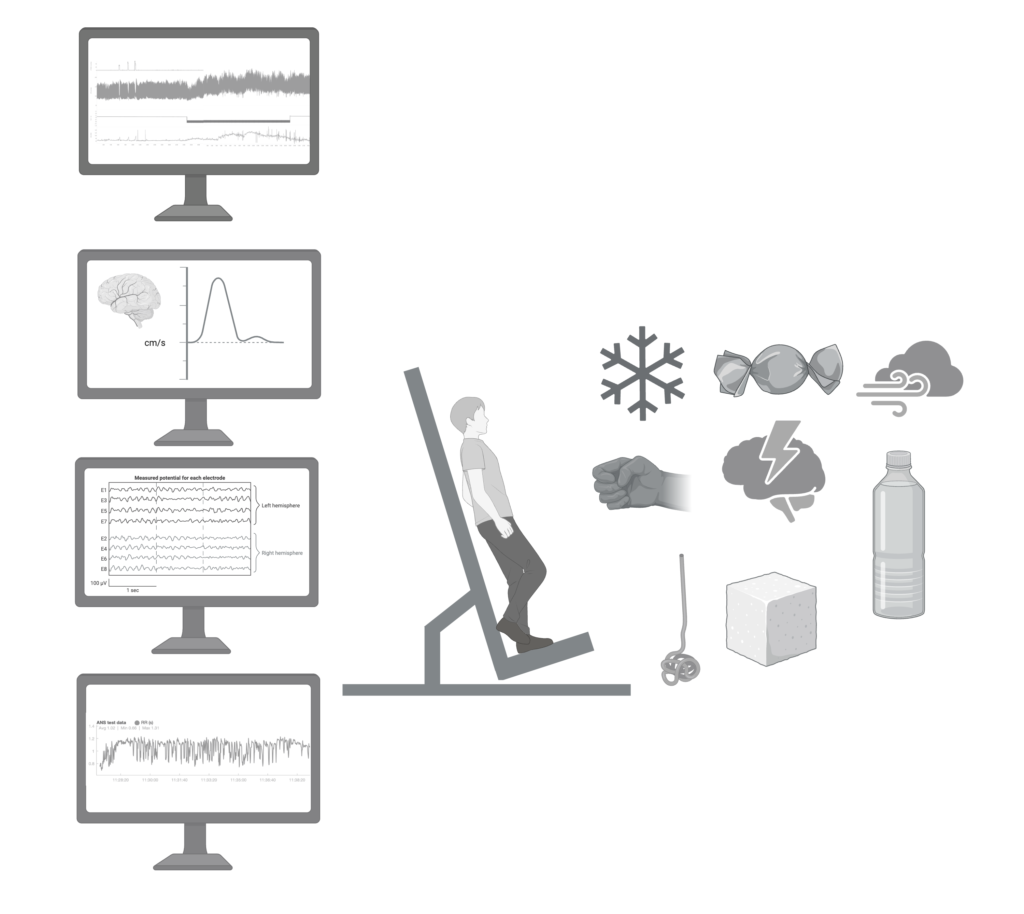
Tilt table testing: Why and how to perform it?
The tilt table test is a key tool for evaluating patients with dysautonomia. It allows us to observe how the body responds to changes in position, especially from lying down to a 60-degree tilt. The tilt table test simulates the changes baroreceptors experience when regulating blood pressure and pulse during standing, reflecting real-life situations. The test helps us understand how the body manages vital functions such as circulation and heart rate, which are essential for providing personalized and safe care.
Traditionally, the tilt table test is performed with the patient at rest in a quiet environment, without external stimuli. Advances in understanding have allowed us to refine the technique, making it a more accurate reflection of daily experiences.
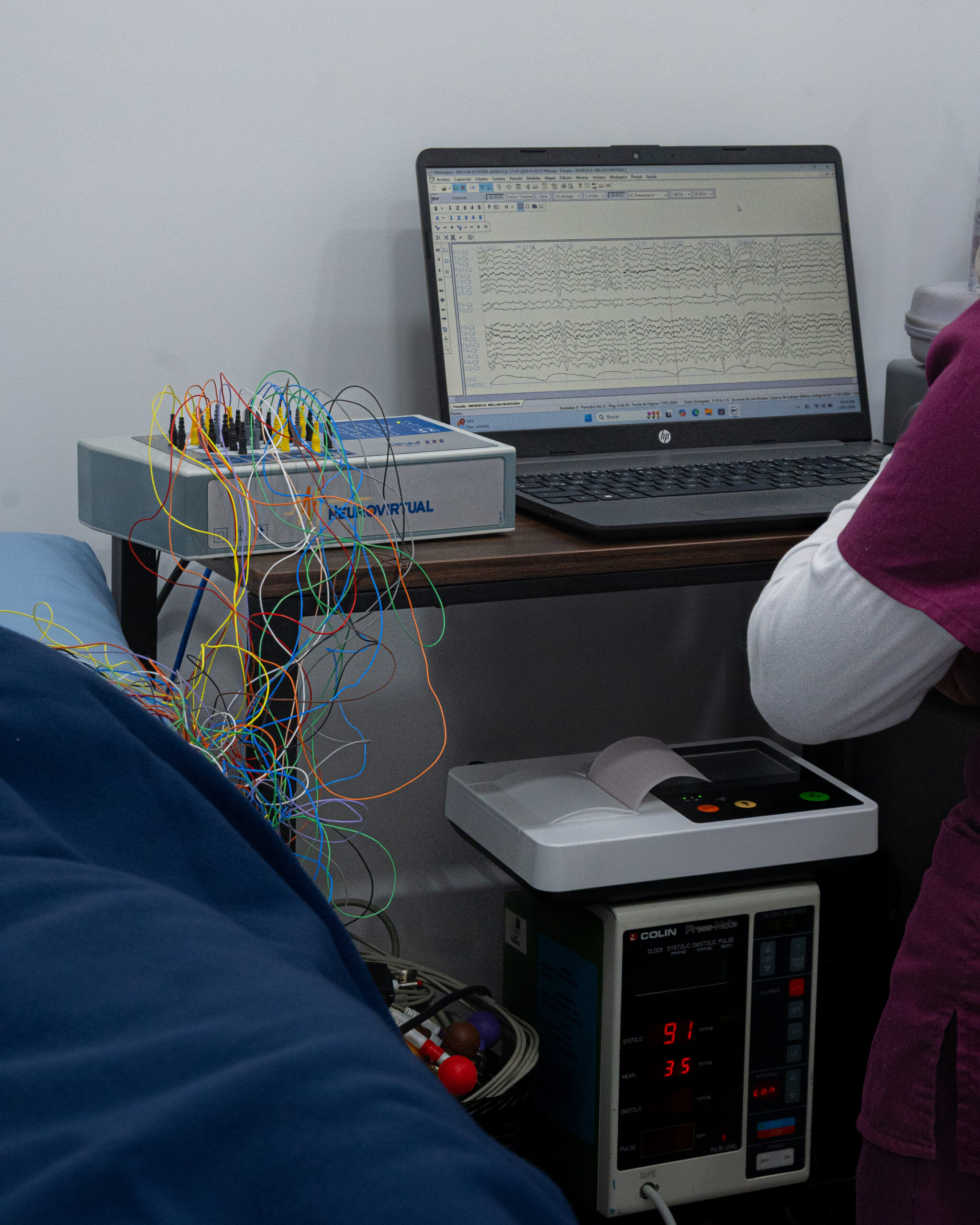
We have incorporated advanced monitoring of multiple vital parameters during both passive and active tilting, providing valuable individualized data. Each patient is unique because baroreceptor responses vary from person to person.
The tilt table test is a key tool for evaluating patients with dysautonomia. It allows us to observe how the body responds to changes in position, especially from lying down to a 60-degree tilt. Some centers use a 70-degree tilt. This position reaches 0.94 G units and challenges baroreceptor function, which regulates blood pressure and pulse during upright posture and reflects real-life situations. The tilt table test helps us understand how the sympathetic nervous system manages vital functions such as circulation and heart rate, which are essential for providing personalized and safe care.
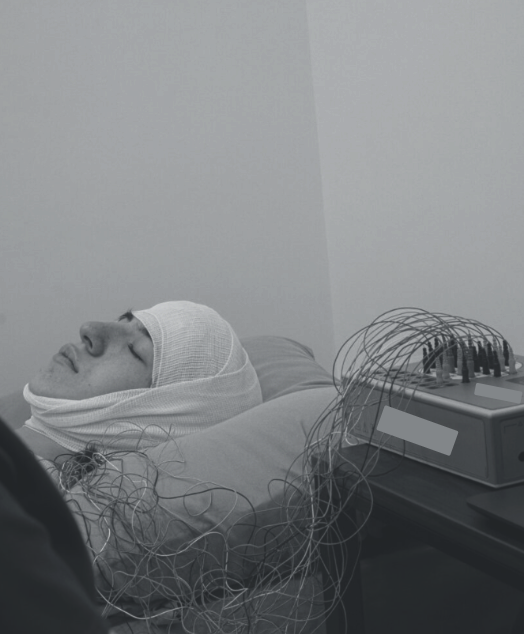
Electroencephalography monitoring
An electroencephalogram (EEG) records the brain’s electrical activity using electrodes placed on the scalp. It evaluates brain function and detects possible abnormalities in electrical activity.
Brain mapping is an advanced technique that analyzes electrical activity in different brain regions in greater detail. It helps visualize abnormal patterns and detect anomalies during wakefulness and sleep, guiding the diagnosis and monitoring of patients with suspected epilepsy or confirming functional non-epileptic seizures in those with functional neurological disorders (FND).
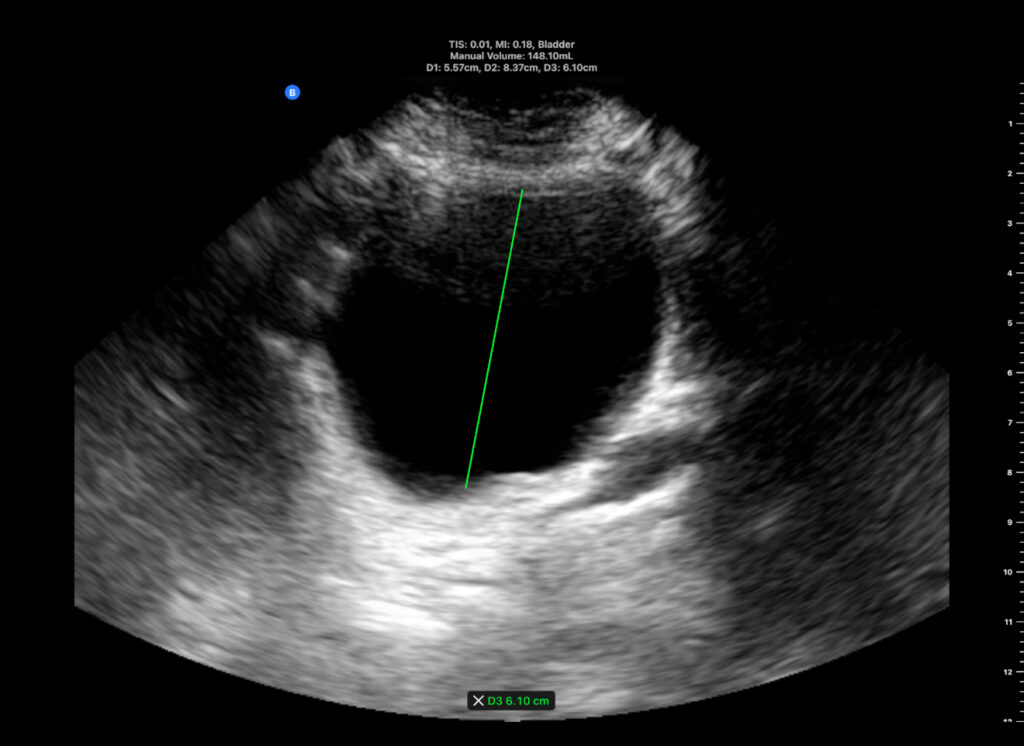
A 78-year-old male. Degenerative Parkinsonism. Bladder US, pre-void volume = 148 ml.
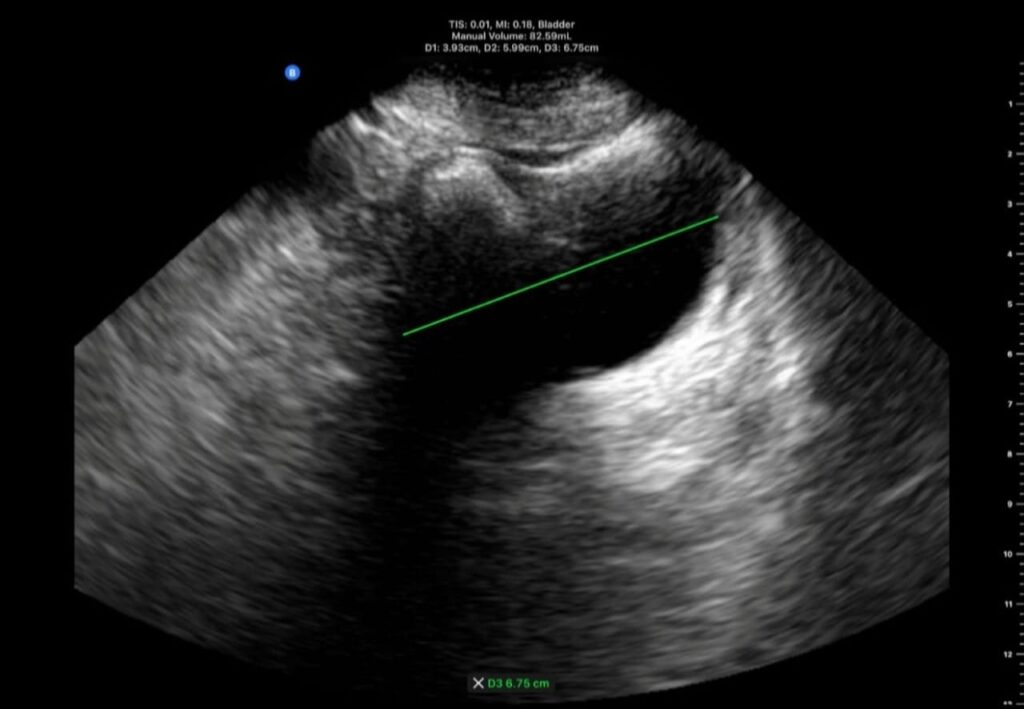
A 78-year-old male. Degenerative Parkinsonism. Bladder US, post-void volume = 87 ml
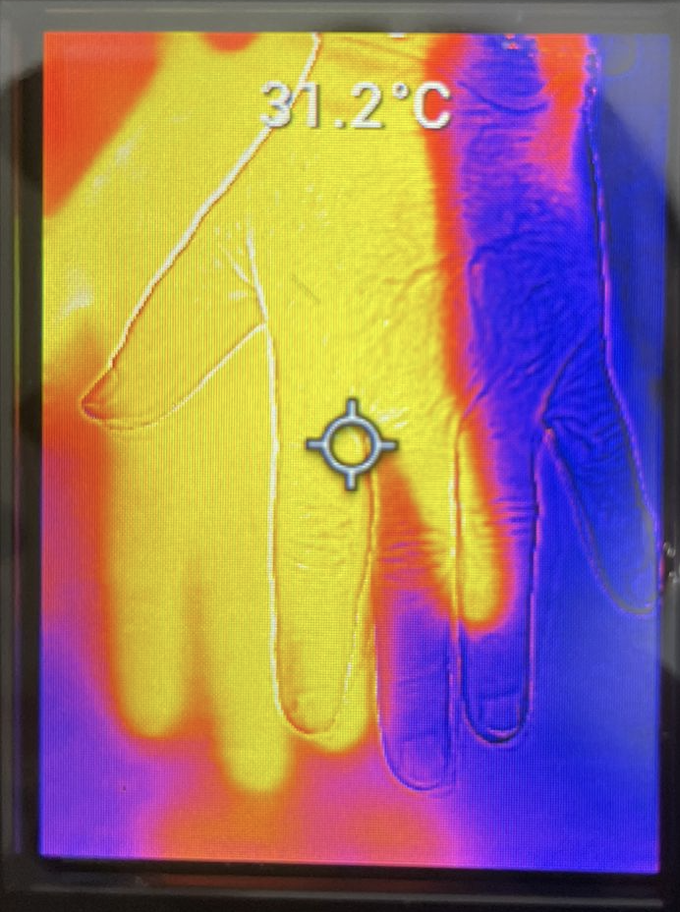
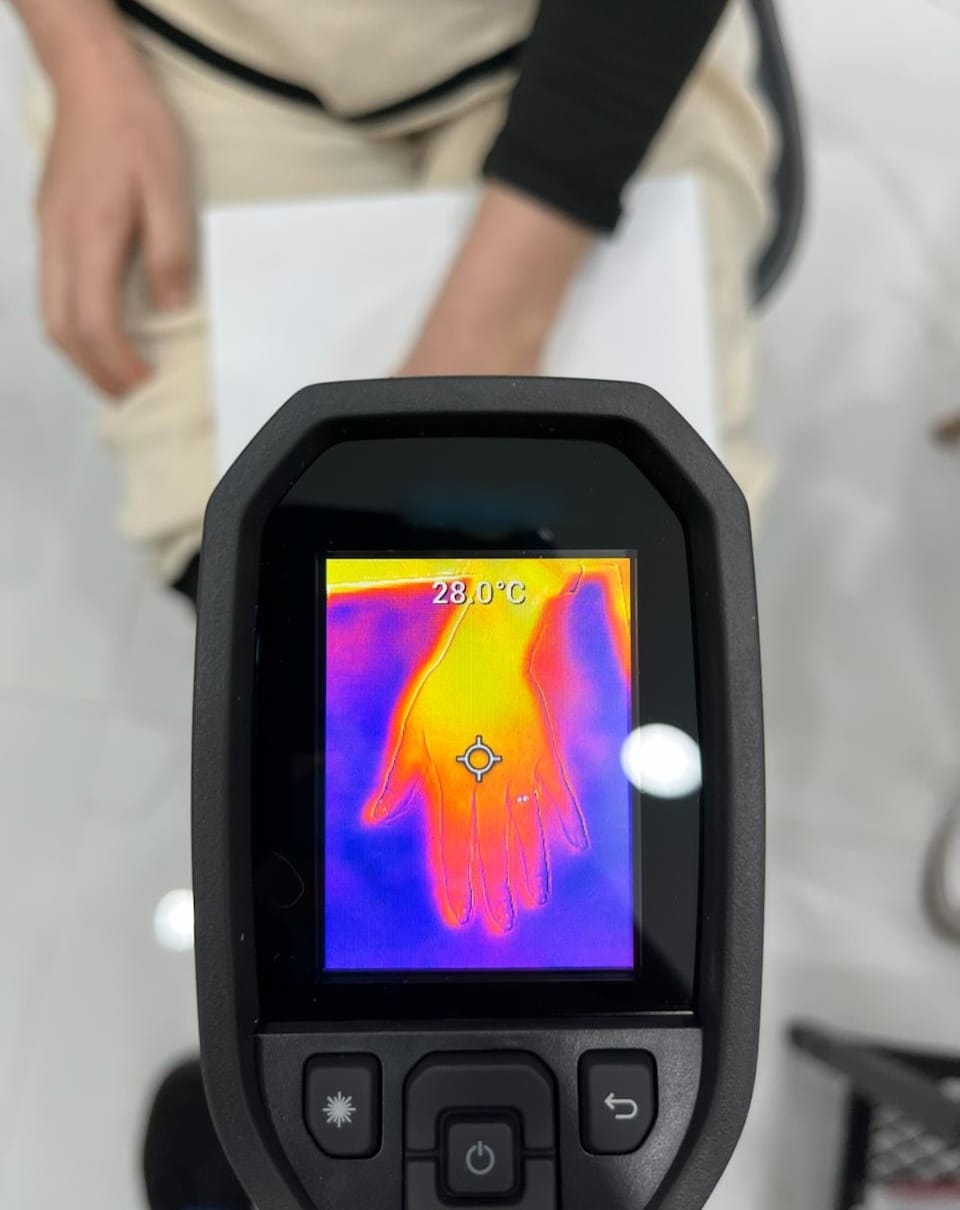
Hand’s back in a healthy control.
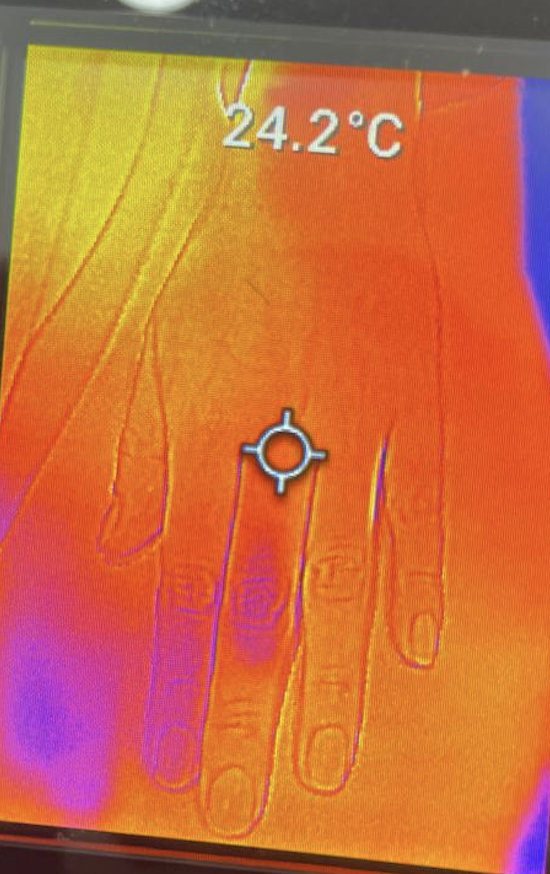
Hand’s back in a patient with dysautonomia.
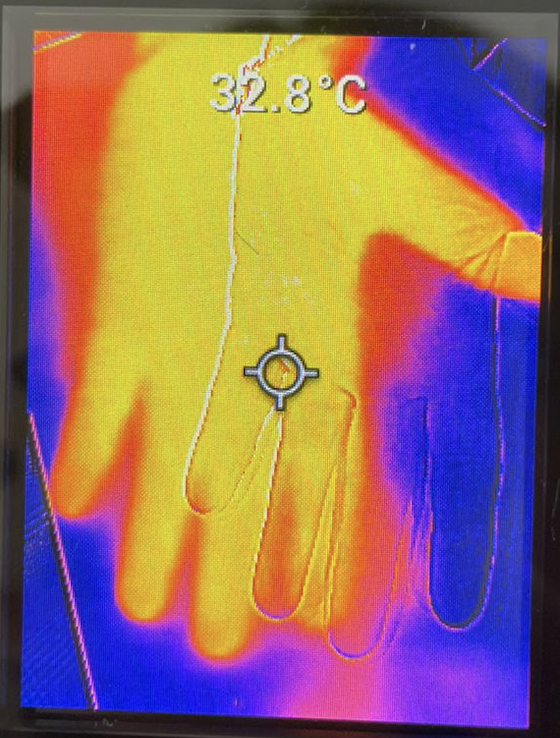
Face’s hand in a healthy control.
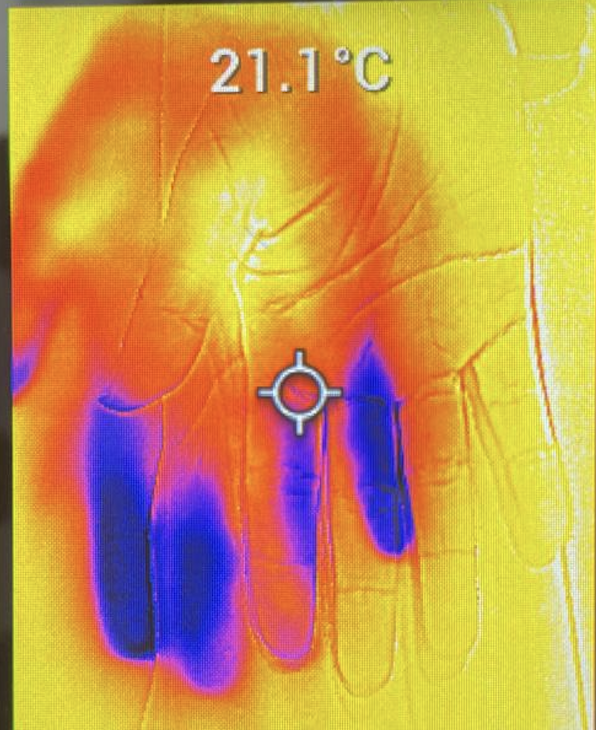
Face’s hand in a patient with dysautonomia.
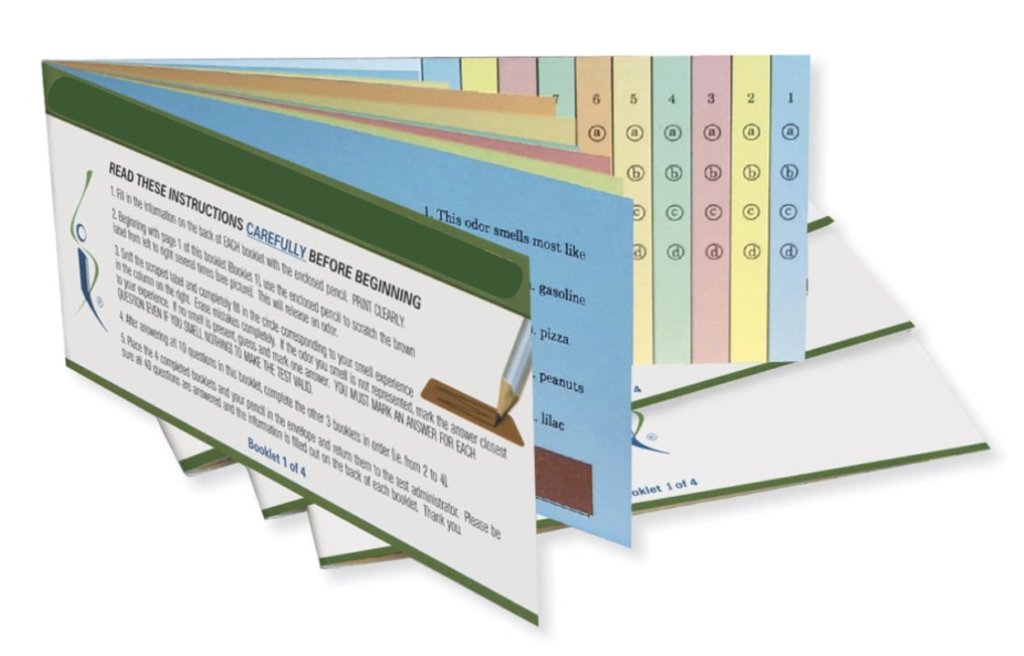
Smell sense function evaluation
Following the COVID-19 pandemic in 2020, we gained significant insight into the role of smell in neurological conditions. Smell is a sense that has remained largely unchanged throughout human evolution. The olfactory nerve, responsible for transmitting smells to specific brain centers, can be affected during COVID-19 infection, even in asymptomatic individuals. Many degenerative brain conditions, such as Parkinson’s disease, begin decades earlier. Differentiating Parkinson’s disease from other conditions with similar symptoms is essential for appropriate treatment and prognosis.

Cognitive screening
Cognitive screening is used to assess patients with deficits in memory, executive, and visuospatial function. These impairments are common in patients with degenerative parkinsonism and cerebellar conditions. Severe neurogenic hypotension can also contribute to cognitive impairment; if the condition is severe, the cognition will worsen even while the patient is seated.
In person and videoconference
Both options are designed to provide personalized, safe, and efficient care, prioritizing your well-being and accessibility. During your initial visit, follow-up appointment, or video call, we ask that you allow enough time to reflect on your medical history so we can gather key information to support your diagnosis and predict future outcomes.