¿What is dysautonomia?
Hablemos sobre:
Autonomic nervous system (ANS)
The autonomic nervous system (ANS) is a specialized division of the nervous system that regulates all involuntary functions of the organism.
Information box
In dysautonomia, this system does not function properly, so the body does not adapt well to normal situations such as standing up, exercising, eating, or being exposed to heat.

Do you have any questions?
Frequently asked questions
The content of this website is for informational and educational purposes only and does not replace professional medical evaluation, diagnosis, or treatment.
Each patient requires an individualized clinical evaluation by a qualified healthcare professional.
In otherwise healthy individuals following viral infections (e.g., post-viral onset, common in many cases of POTS or long COVID-related dysautonomia).
Linked to or secondary to autoimmune diseases (e.g., Sjögren’s, lupus), neurological conditions, or metabolic disorders (e.g., diabetes-related autonomic neuropathy).
Following major physical stressors, major surgeries, or extended periods of bed rest/immobility (which can lead to deconditioning and autonomic dysfunction).
No, it is a broad term that covers a range of conditions with varying causes and clinical features.
No. While certain symptoms (like racing heart, dizziness, or feeling lightheaded) can resemble anxiety, dysautonomia is a legitimate medical disorder involving dysfunction of the autonomic nervous system. Anxiety may occur alongside it, but anxiety does not cause dysautonomia.
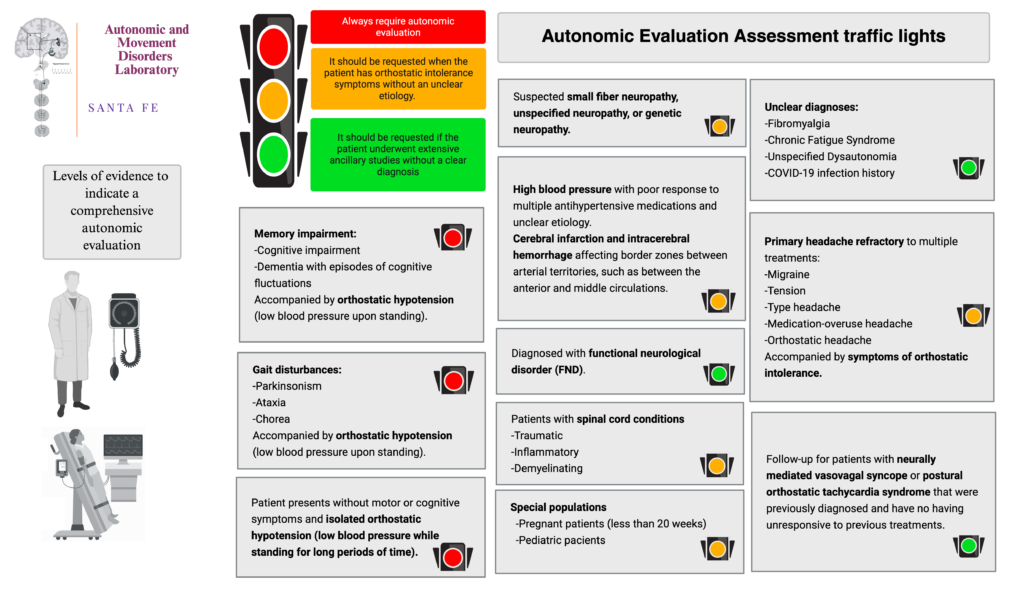
Diagnosis requires a specialized medical assessment, which includes a thorough clinical history, physical examination, and—in certain cases—specific tests such as autonomic testing or tilt-table testing
Yes. Treatment is tailored to the specific subtype and underlying cause, but both pharmacological (medication-based) and non-pharmacological strategies exist that can substantially alleviate symptoms and improve the patient’s overall well-being.
Seek specialized medical attention if you are dealing with persistent symptoms, including recurrent dizziness, episodes of fainting, heart palpitations, or unexplained fatigue.
This phrasing is consistent with patient education materials from sources like Dysautonomia International, Cleveland Clinic, and Mayo Clinic, which stress the importance of not dismissing these symptoms as “normal” or anxiety-related when they are frequent and impacting daily life.
Note:
Maybe you have been told your symptoms are just stress or anxiety, but you sense there is more to it. We see what is often missed: chronic fatigue, dizziness, rapid heartbeat or palpitations, and brain fog. Dysautonomia is real, and your symptoms matter.