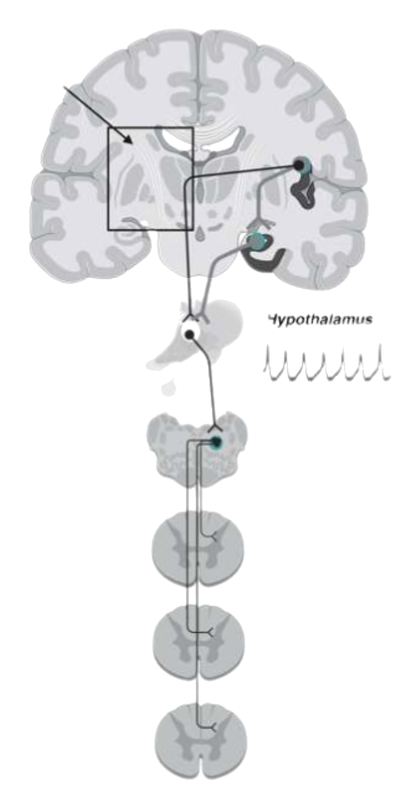
01
Autonomic evaluation
A detailed clinical history and standardized tests of how the autonomic nervous system responds to posture, effort, and vascular load.
Mexico City · Toluca · Pachuca · Latin America
A clinical research laboratory for children, adolescents, and adults with dysautonomia. A precise diagnosis of the specific dysautonomia confirmed in the patient, with a full explanation for the family and shared decisions on treatment and follow-up. Our autonomic evaluation is adapted from the protocols of specialized dysautonomia research centers in the United States and Europe, and meets international standards for how the study is performed.
In Science We Trust
03
Clinics across central Mexico
60°
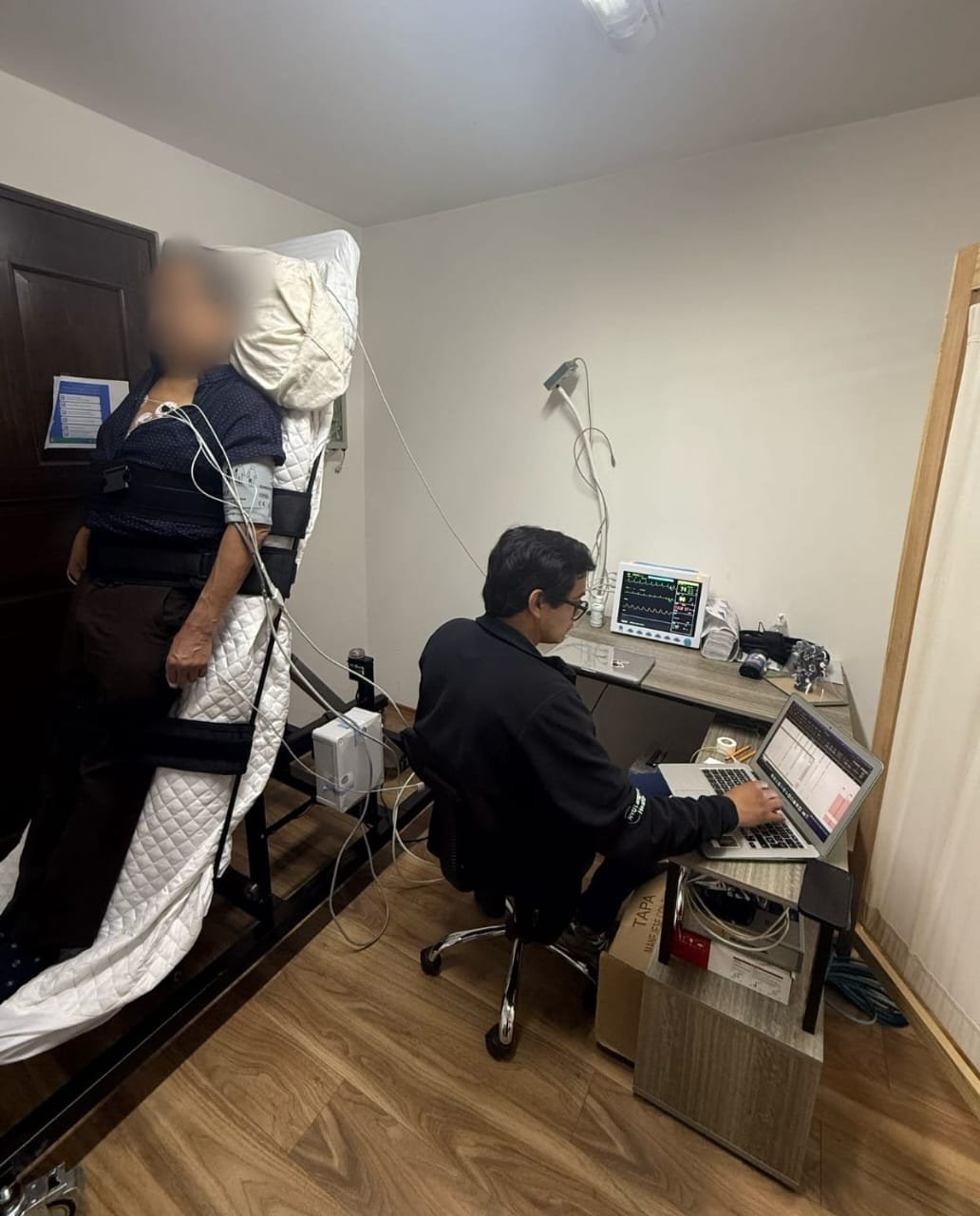
Tilt-table testing with continuous monitoring
ANS
Children, adolescents, and adults
Center identity
Who we are
We are a specialized laboratory dedicated to the comprehensive evaluation of patients with dysautonomias — children, adolescents, and adults — focused on the precise diagnosis of complex autonomic conditions, in accordance with international standards of medical care, with the person and the family at the center.
Every person is different. Every blood pressure is different. Every pulse is different. We adapt the study to your case.
Non-invasive monitoring for a precise diagnosis. Advanced technology, now in Mexico.
Aim of the evaluation
01
Autonomic nervous system abnormalities, at rest and under stress.
02
Conditions that mimic other symptoms, to avoid a wrong diagnosis.
03
A personalized plan that improves daily life and keeps the family in the process.
Information
Standing is a circulatory stress. At 60 degrees, with continuous monitoring, we see how the nervous system regulates blood pressure and pulse — as in daily life, but measured.
What we offer
01
A detailed clinical history and standardized tests of how the autonomic nervous system responds to posture, effort, and vascular load.
02
Recording of brain electrical activity and regional analysis, used in epilepsy and to help confirm functional non-epileptic events.
03
Specialized attention without geographic barriers, with enough time to reconstruct your history and plan the next step.
For patients and families
When the system that regulates the involuntary — blood pressure, pulse, sweat, bladder, gut — fails to adapt.
Lightheadedness on standing, fatigue, palpitations, poor exercise tolerance, and brain fog.
Children, adolescents, and adults. After an infection, in synucleinopathies, autoimmunity, or without a cause yet.
Screening
You can do it at home or in your primary-care office. Measure blood pressure and pulse lying down and standing: BaroAtlas shows whether the pattern suggests dysautonomia and whether a comprehensive autonomic evaluation at our center is warranted.
This is a screening, not a diagnosis. It does not replace a clinical evaluation or tilt-table testing.

What we evaluate
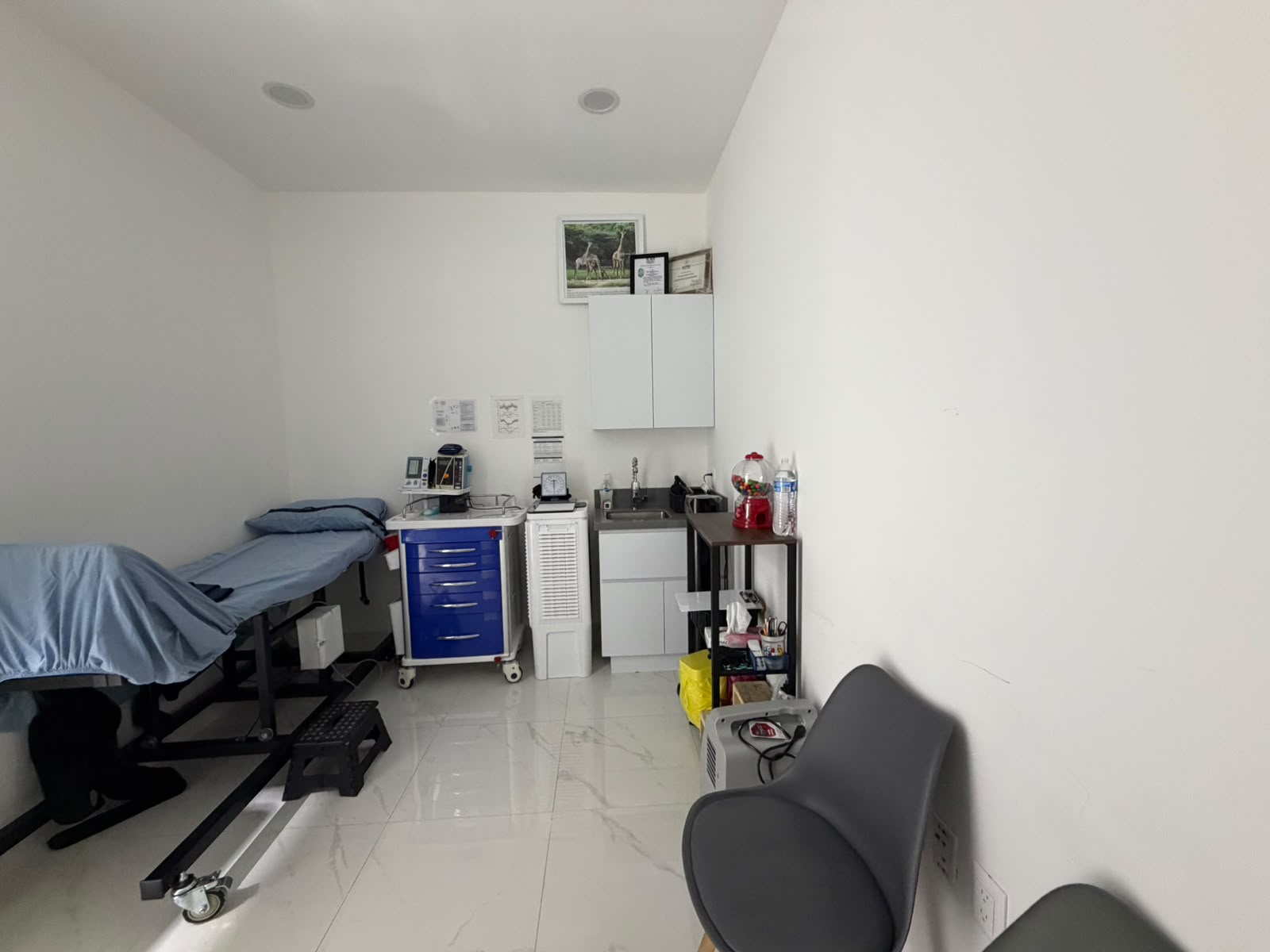
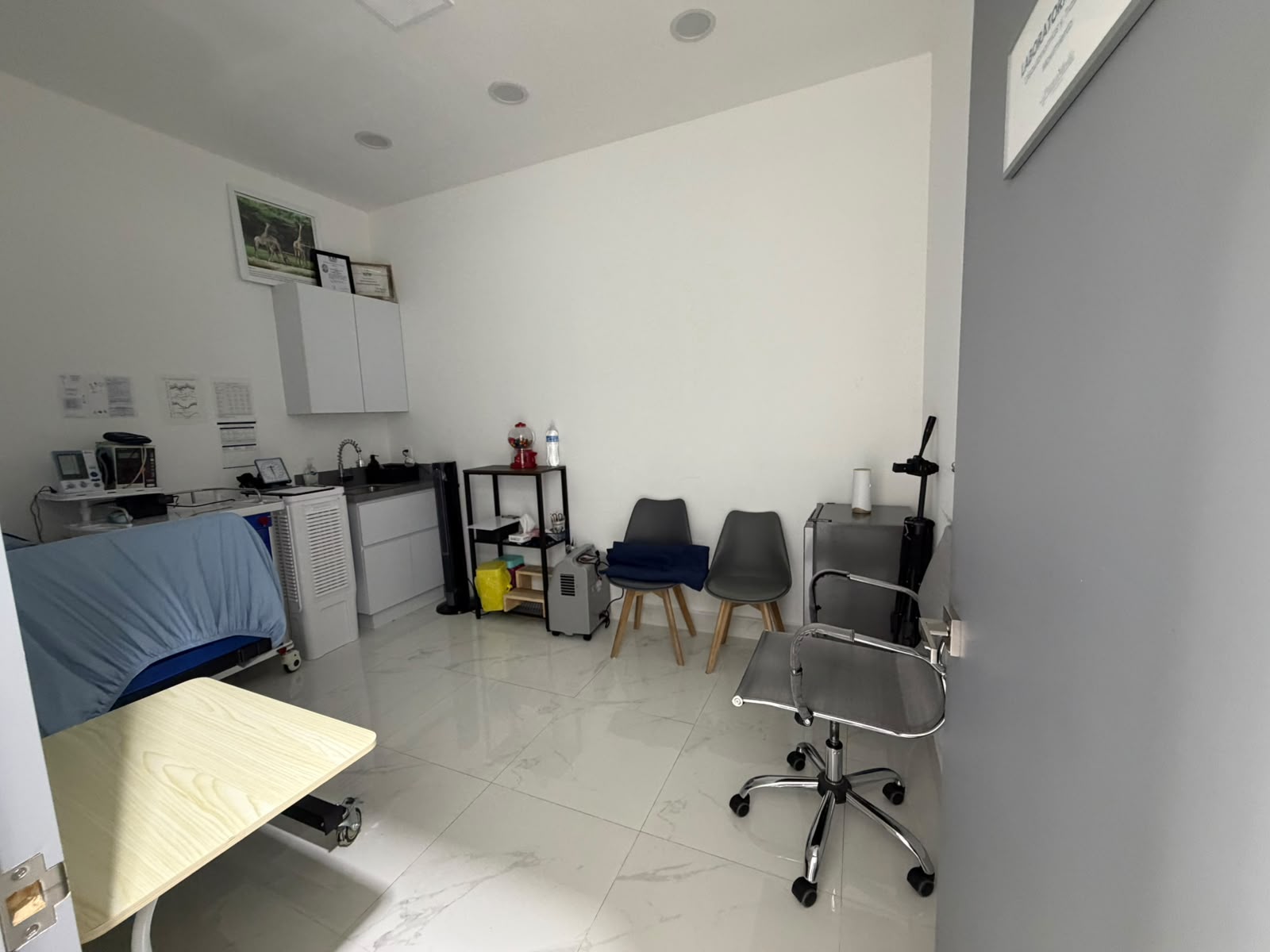
The laboratory
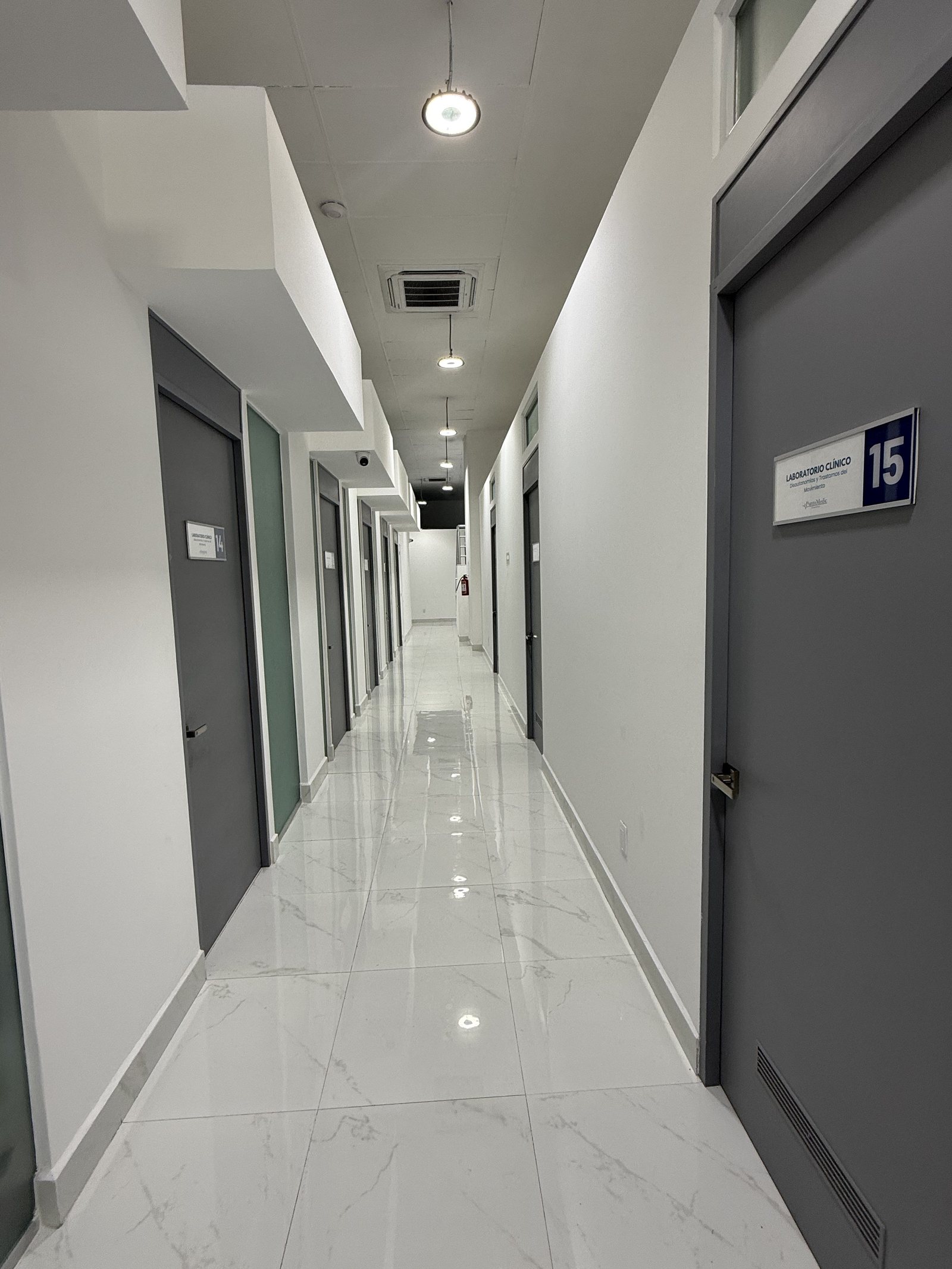
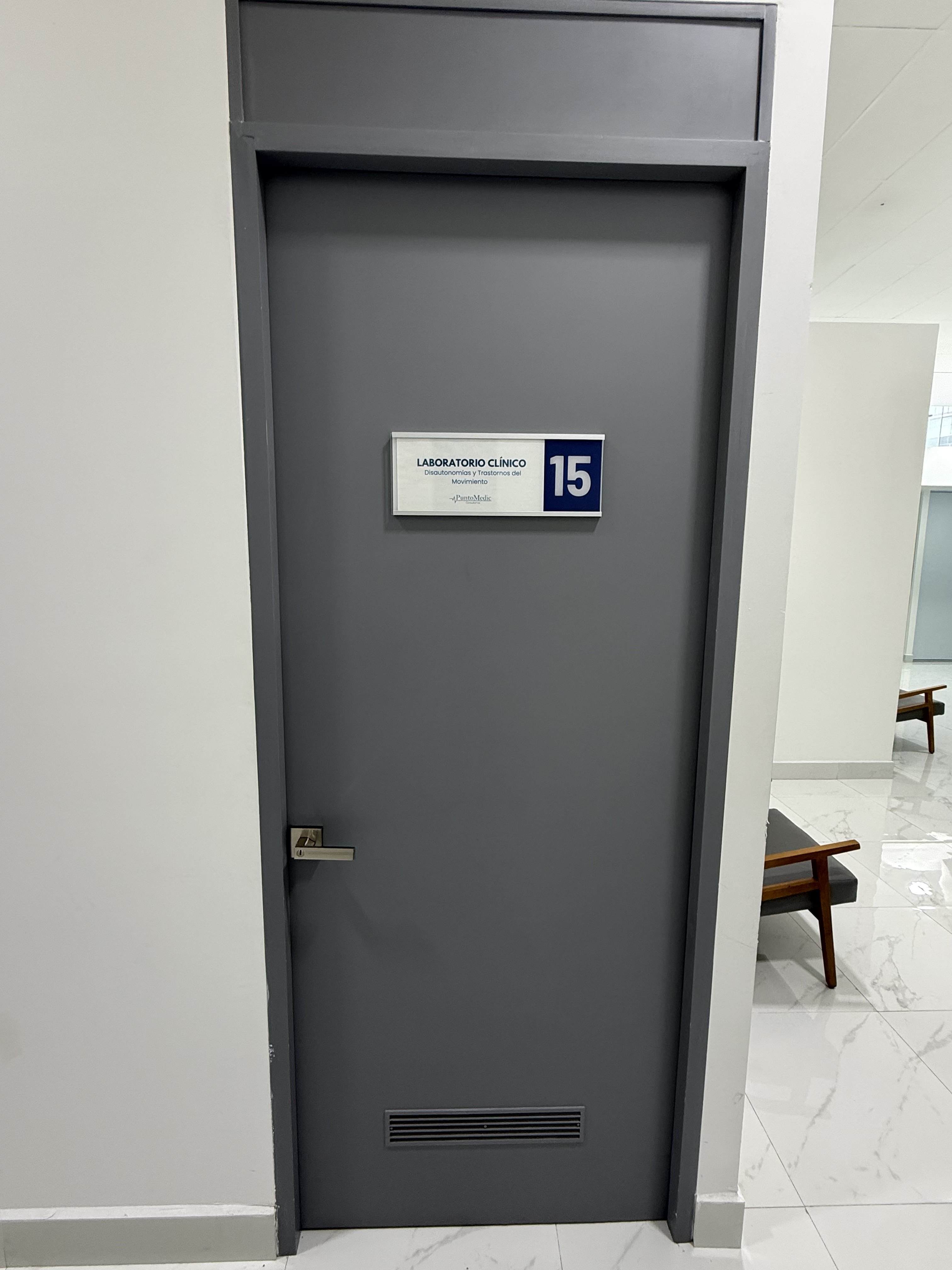
Suites 14 and 15 at the “Punto Medic, Santa Fe” clinic.
The process
01
A structured history: personal and family background, and how symptoms change daily life at home, school, or work.
02
Tilt-table and complementary studies, with continuous vital-sign monitoring according to international protocols.
03
We go over the results with you and your family, in plain language: what we found, what we did not, and why it matters.
04
A clear written report, an individualized plan, and review dates. When needed, we coordinate allied specialists.
Your visit
The team
Neurologist · Clinical director
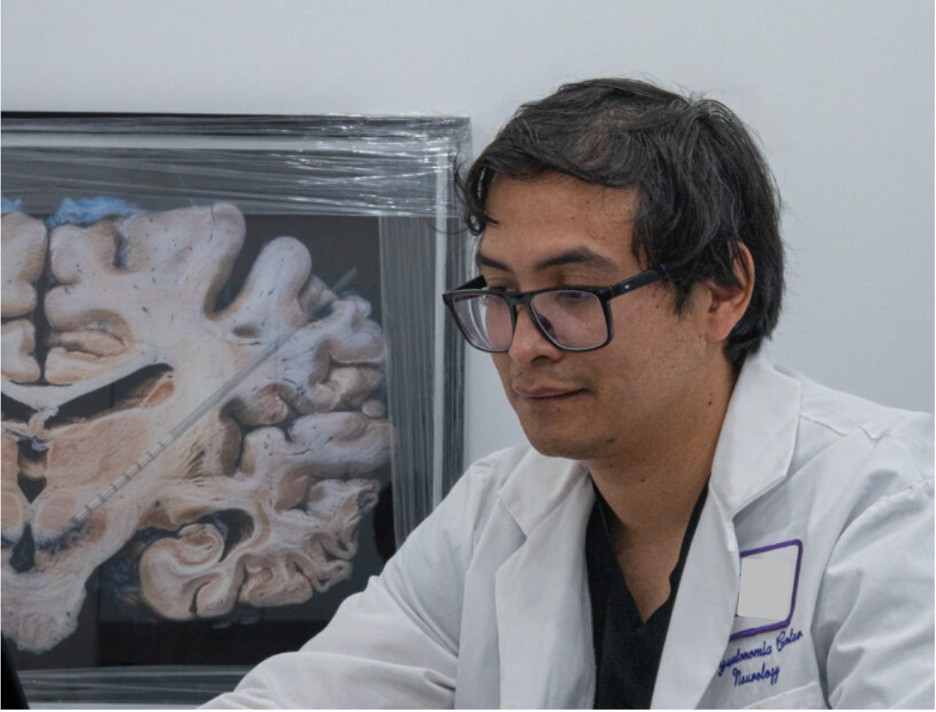
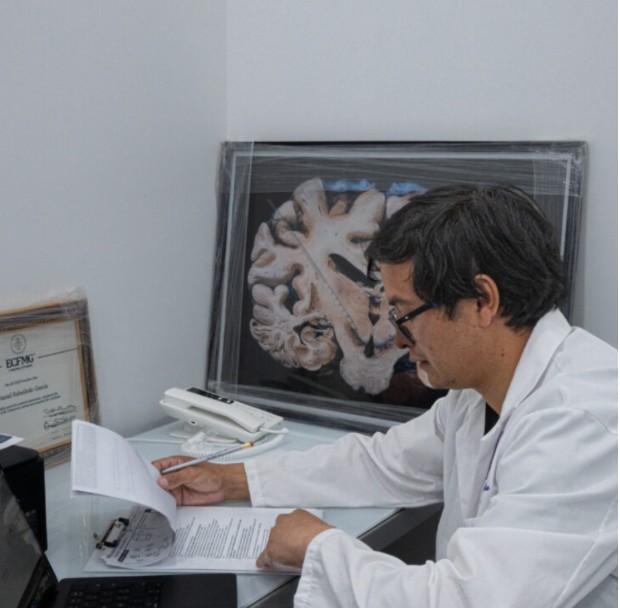
A neurologist trained in movement disorders and dysautonomias leads the evaluation. The family is part of the visit; the report is written.
Meet the directorResearch and education
Autonomic testing protocols built for clinical practice in Mexico and Latin America, plus material for referring colleagues.
For professionalsWhere we are
Santa Fe
Punto Medic offices, suites 14 and 15, Plaza VQ, Vasco de Quiroga 3880, Lomas de Santa Fe, Contadero, Cuajimalpa de Morelos, 05348 Mexico City.
Open mapState of Mexico
Ignacio Mariscal 305, Col. Benito Juárez, ZIP 50190, Toluca de Lerdo, State of Mexico.
Open mapHidalgo
Hospital Intermédica, Tower D, third floor, suite 25. Blvd. Luis Donaldo Colosio 212, Arboledas de San Javier, 42084 Pachuca de Soto, Hidalgo.
Open mapSanta Fe · Mexico City
Laboratory in Punto Medic offices, suites 14 and 15. Vasco de Quiroga 3880, across from Centro Comercial Santa Fe. Parking in Plaza VQ.
Google Maps
Punto Medic offices, suites 14 and 15, Plaza VQ, Vasco de Quiroga 3880, Lomas de Santa Fe, Contadero, Cuajimalpa de Morelos, 05348 Mexico City.
Do not give up on the hard parts of life. You are worth more than you think; your symptoms are real, and you deserve to know where they come from, and to receive specialized support.
+52 722 791 7295